Dear KidsOutAndAbout readers:
When I was a teenager, I had a teacher who became a mentor without ever knowing he was one. He was aware I’d been going through some difficult times, and was glad to hear I was almost on the other side. “Some people aren't lucky enough to have dealt with hard things when they're young,” he told me. Then he added the phrase that has echoed in my head for decades:
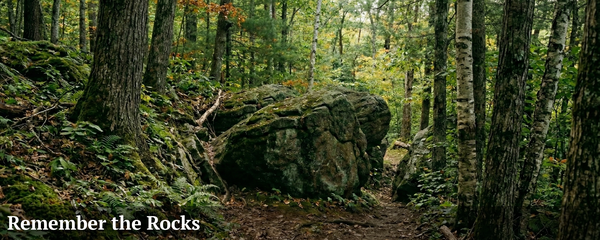
“Remember the rocks.”
Life, he explained, was always going to toss boulders into my path. The trick was to recognize, early, that even if it was painful or scary, I was capable of getting around, or over, or through them. Remembering how I’d managed would help me trust myself more when the next, bigger ones appeared.
As a parent, I think about that often, about how the only way to become someone who does hard things is… to do hard
things.
It’s tempting to rush in and smooth every unpleasant obstacle our kids encounter. When we email the teacher, mend the friendship, rescue the forgotten homework, eliminate every discomfort, we may feel helpful in the moment, but in fact we’re quietly removing the practice stones they need. Resilience doesn’t come from being told “You’re strong”; it comes from evidence that only they can gather, from working through manageable challenges and thinking, That was hard.
And I handled it. We don’t need to manufacture their challenges—being a kid is difficult enough. And we don’t abandon them to do it all on their own, either. We just learn to pause, to weigh advice against intervention, and to let them see what they can manage.
The goal is that later in life, when something truly difficult lands in our children's path, they won’t just hope they can manage it, they’ll know. Now, many years later, when I encounter something
daunting, I think back to my mentor and remember the rocks. "I do hard things," I tell myself. And it works.
—Debra Ross, publisher of KidsOutAndAbout.com, co-author of The Eclipse Effect: How to Seize Extraordinary Moments to Build Strong Communities